
Microsoft Office: A Complete Guide to Features, Benefits, Applications, and Tips
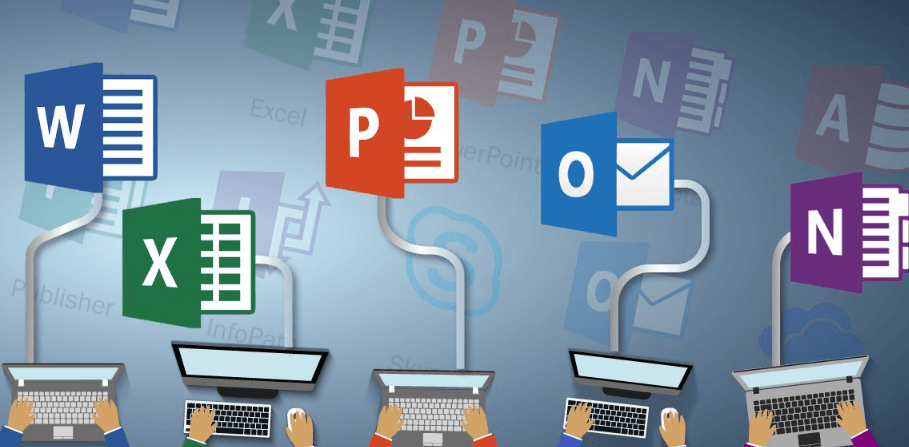
Microsoft Office is one of the world’s most widely used productivity software suites for creating documents, spreadsheets, presentations, emails, and other business or personal projects. It is trusted by students, professionals, businesses, educators, and organizations because of its powerful tools, user-friendly interface, and wide compatibility across devices.
Available for Windows, macOS, mobile devices, and the web, Microsoft Office helps users improve productivity through applications designed for writing, data analysis, communication, collaboration, and project management. This guide explains what Microsoft Office is, its key applications, features, benefits, uses, challenges, and tips for getting the most from the software.
What Is Microsoft Office?
Definition of Microsoft Office
Microsoft Office is a collection of productivity applications developed by Microsoft. It includes software for word processing, spreadsheet management, presentations, email communication, note-taking, and collaboration.
The suite is designed to help individuals and organizations complete everyday tasks efficiently, whether working at home, in school, or in the office.
How Does Microsoft Office Work?
Productivity Applications
Each Office application is designed for a specific purpose, such as writing documents, analyzing data, creating presentations, or managing emails.
Cloud Integration
Users can save files locally or in cloud storage, making it easier to access documents from multiple devices and collaborate with others.
Cross-Device Access
Microsoft Office is available on desktop computers, laptops, tablets, smartphones, and web browsers, allowing users to work from almost anywhere.
Collaboration Features
Many Office applications support real-time collaboration, enabling multiple users to edit and review documents simultaneously.
Main Microsoft Office Applications
Microsoft Word
Microsoft Word is a word-processing application used for creating letters, reports, resumes, essays, books, and other text-based documents.
Common features include:
- Document formatting
- Spell checking
- Templates
- Tables
- Images
- Page layouts
Microsoft Excel
Microsoft Excel is a spreadsheet application used for organizing, calculating, analyzing, and visualizing data.
Popular uses include:
- Budget planning
- Financial analysis
- Data management
- Charts
- Formulas
- Reports
Microsoft PowerPoint
PowerPoint helps users create professional presentations using slides, images, animations, charts, and multimedia content.
It is commonly used in education, business meetings, training sessions, and conferences.
Microsoft Outlook
Outlook combines email, calendars, contacts, and task management into a single productivity application.
It helps users organize communication and manage schedules efficiently.
Microsoft OneNote
OneNote is a digital notebook that allows users to organize notes, ideas, research, meeting records, and class materials.
Microsoft Access
Access is a database management application designed for creating and managing structured databases for businesses and organizations.
Key Features of Microsoft Office
User-Friendly Interface
Office applications provide intuitive menus, templates, and editing tools suitable for beginners and professionals.
Cloud Storage Support
Users can store and access documents from multiple devices while keeping files synchronized.
Real-Time Collaboration
Multiple users can edit documents together, improving teamwork and productivity.
Automatic Saving
Many Office applications automatically save changes, reducing the risk of losing important work.
Templates
Built-in templates simplify the creation of resumes, reports, invoices, presentations, calendars, and business documents.
Benefits of Microsoft Office
Improved Productivity
Office applications help users complete writing, calculations, communication, and presentations more efficiently.
Professional Documents
Users can create polished documents suitable for education, business, and personal use.
Better Collaboration
Teams can work together on shared files, reducing duplicate work and improving communication.
Cross-Platform Availability
Office applications work across multiple operating systems and devices.
Regular Updates
Microsoft regularly improves Office with new features, security enhancements, and performance updates.
Applications of Microsoft Office
Education
Students and teachers use Microsoft Office for assignments, reports, presentations, note-taking, and research.
Business
Organizations rely on Office for communication, accounting, project planning, documentation, and meetings.
Personal Use
Individuals use Office for budgeting, personal planning, writing letters, and managing household information.
Finance
Excel is widely used for financial analysis, budgeting, forecasting, and reporting.
Project Management
Office applications help organize schedules, track progress, and collaborate with team members.
Challenges of Microsoft Office
Learning Advanced Features
While basic functions are easy to use, advanced tools may require additional learning.
Subscription Costs
Some versions of Microsoft Office require an ongoing subscription for access to premium features.
File Compatibility
Although Office supports many file formats, formatting differences may occur when using other office software.
Internet Dependency
Some collaboration and cloud-based features work best with a stable internet connection.
Tips for Using Microsoft Office
Learn Keyboard Shortcuts
Keyboard shortcuts help improve speed and productivity when working with Office applications.
Use Templates
Templates save time and help create professional-looking documents quickly.
Organize Files
Maintain a clear folder structure to make documents easier to find and manage.
Save Regularly
Although many applications support automatic saving, regularly saving your work is still a good habit.
Explore Built-In Tools
Take advantage of spell checking, formatting options, charts, formulas, and collaboration features to maximize productivity.
Advantages of Microsoft Office
Comprehensive Productivity Suite
Office includes applications for writing, calculations, communication, note-taking, and presentations.
Wide Compatibility
Documents can be shared across different devices and commonly used in schools and workplaces.
Reliable Performance
Microsoft Office is trusted for stability, ease of use, and professional-quality output.
Flexible Work Environment
Users can work from desktop computers, laptops, tablets, smartphones, or web browsers.
Frequently Asked Questions
What is Microsoft Office?
Microsoft Office is a productivity software suite that includes applications for word processing, spreadsheets, presentations, email, note-taking, and collaboration.
What are the main applications in Microsoft Office?
The most popular applications include Microsoft Word, Excel, PowerPoint, Outlook, OneNote, and Access.
Is Microsoft Office suitable for students?
Yes. Students widely use Microsoft Office for assignments, research, presentations, and collaborative learning.
Can Microsoft Office be used on multiple devices?
Yes. Depending on the version or subscription, Microsoft Office can be used across compatible computers, tablets, smartphones, and web browsers.
Why is Microsoft Office popular?
Microsoft Office is popular because of its powerful features, ease of use, professional tools, cross-platform compatibility, and widespread adoption in education and business.
Conclusion
Microsoft Office remains one of the most powerful and widely used productivity software suites available today. With applications designed for writing, data analysis, presentations, communication, and collaboration, it supports students, professionals, businesses, and organizations across countless industries. By learning its core features and selecting the right applications for your needs, you can improve productivity, create professional-quality work, and collaborate more effectively in both personal and professional environments.