
What to Consider Before Investing in Thomson Reserve
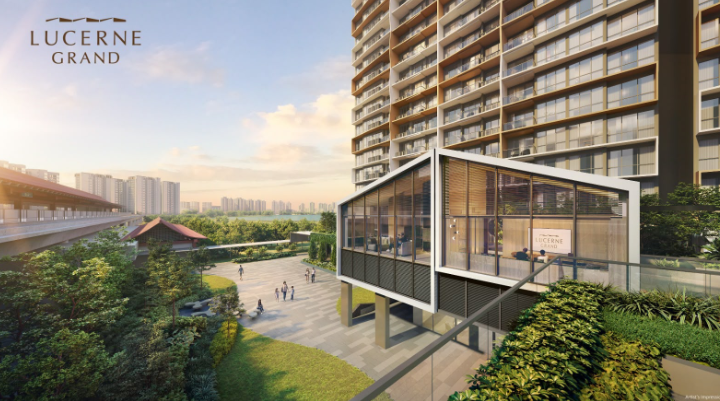
Real estate remains a reliable avenue for building long-term wealth, but choosing the right property requires careful analysis. When evaluating premium developments, buyers often compare top-tier projects like the prestigious Lucerne Grand to find the best fit for their portfolio. Among the emerging opportunities in the current market, Thomson Reserve stands out as a highly discussed option. Investing in a luxury property involves looking beyond aesthetic appeal to analyze market data, location viability, and future growth potential. Before committing your capital, you must evaluate several critical factors that determine whether this development aligns with your financial goals and lifestyle expectations.
Location and Neighborhood Connectivity
The primary driver of any real estate investment is its physical location, which directly influences capital appreciation and rental demand. This development occupies a strategic position that connects residents to major business districts and essential urban amenities. Buyers should examine the local infrastructure, including proximity to mass transit stations, major highways, and reputable schools. A well-connected neighborhood ensures a steady stream of high-quality tenants, reducing vacancy rates over the long term.
Additionally, assess the surrounding zoning laws and future municipal master plans. If the local government plans to build new commercial hubs or transit lines nearby, property values will likely rise. Conversely, upcoming high-rise construction could block views or increase noise pollution during the building phase. Take the time to walk the neighborhood at different hours of the day. Observe traffic patterns, noise levels, and pedestrian activity to get an authentic feel for the daily experience. For instance, properties located within a ten-minute walk of a major transit interchange typically command a fifteen percent premium over those further away. This geographic advantage translates directly into higher resale values when you decide to liquidate the asset.
Comparing Design, Layouts, and Premium Amenities
Modern buyers expect more than just square footage; they demand thoughtful layouts and high-end finishes that elevate their daily living experience. When you compare the architectural choices of this project with established benchmarks like the Lucerne Grand, you can better gauge the value on offer. High ceilings, energy-efficient appliances, and smart home integration have transitioned from luxury upgrades to standard expectations. Analyze the floor plans carefully to ensure there is no wasted space, such as excessively long corridors or awkward structural pillars.
Amenities also play a crucial role in tenant retention and overall property valuation. Look for developments that offer comprehensive wellness facilities, including a fully equipped gymnasium, lap pools, and dedicated co-working spaces. These features attract busy professionals who value convenience and lifestyle integration. Furthermore, examine the maintenance standards of the common areas. Poorly managed facilities degrade quickly, which negatively impacts the perceived value of the entire development. Consider how the building’s aesthetic matches current architectural trends. Sustainable materials and green building certifications not only reduce monthly utility bills but also attract environmentally conscious tenants who are willing to pay a rental premium.
Financial Metrics and Rental Yield Projections

A successful real estate acquisition relies on hard numbers rather than emotional appeal. To determine if Thomson Reserve fits your portfolio, you must calculate the projected net rental yield and compare it against historical regional averages. Start by estimating the gross annual rental income based on current market rates for similar units in the immediate vicinity. Subtract recurring expenses such as property taxes, maintenance fees, insurance, and property management fees to find your net income.
In addition to rental yields, analyze the historical capital appreciation rates of the surrounding district. Areas with a track record of steady, incremental growth offer a safer harbor for your capital than volatile speculative markets. Keep in mind that financing costs significantly impact your overall return on investment. Secure pre-approval for a mortgage to understand your interest rates and monthly debt service obligations. If the cost of borrowing exceeds the rental yield, you will experience negative cash flow, requiring you to fund the shortfall out of pocket. Always include a five percent vacancy buffer in your financial models. This conservative planning ensures that your investment remains viable even during economic transitions or periods between tenant leases.
Developer Track Record and Construction Quality
The reputation of the builder is a critical factor that buyers often overlook during the excitement of a new purchase. A developer with a history of delivering projects on time and within budget provides peace of mind. Research the developer’s past projects to evaluate their construction quality and long-term durability. Visit older developments completed by the same firm to see how well the structures have aged and whether residents have reported chronic maintenance issues.
Choosing a developer with a stellar reputation, similar to the team behind the Lucerne Grand, minimizes the risks of structural defects and delayed handovers. Unforeseen delays can disrupt your financial planning, especially if you have aligned the sale of an existing property or the start of a new lease with the projected completion date. Furthermore, reputable developers often maintain stronger relationships with local authorities, ensuring smoother utility connections and faster issuance of ownership titles. Verify if the developer offers a comprehensive structural warranty. A solid warranty period demonstrates the builder’s confidence in their workmanship and protects you from liability for latent defects.
Market Timing and Entry Price Analysis
Timing the market is notoriously difficult, but analyzing the current phase of the real estate cycle is essential for maximizing returns. Before acquiring a unit in Thomson Reserve, compare its launch price with secondary market transactions in the same neighborhood. If the developer’s asking price is significantly higher than the going rate for comparable established properties, you may face limited short-term capital growth.
Analyze broader macroeconomic indicators, such as prevailing interest rates, inflation, and employment figures. High interest rates generally cool demand, which can create opportunities to negotiate better purchase terms or incentives with developers. Conversely, buying during a market upswing might require you to pay a premium, limiting your immediate upside. Look for developer incentives such as absorbed stamp duties, deferred payment schemes, or complimentary furnishing packages, which can lower your initial capital outlay. Additionally, consult with local real estate agents to gauge buyer sentiment. Understanding whether you are entering a buyer’s or seller’s market helps you formulate a strategic negotiation plan to secure the best possible contract terms.
See also: How Entrepreneurs Can Build Sustainable Businesses
Conclusion
Investing in premium real estate requires a balanced approach that combines thorough research with objective financial analysis. While high-end developments offer compelling opportunities for both lifestyle buyers and seasoned investors, success depends on careful due diligence. By evaluating critical factors such as location connectivity, developer track record, amenity quality, and realistic financial yields, you can make an informed decision that aligns with your long-term wealth strategy. Remember to compare options across the market to ensure you receive genuine value for your capital. With a methodical approach and a clear understanding of market dynamics, you can confidently secure an asset that delivers consistent returns and steady appreciation for years to come.